

Did you know that 75% of consumers base a company’s credibility on its website design alone? In today’s fast-paced digital world, your website is often your customer’s first impression, and possibly your one and only opportunity to earn their business. If your site design isn’t optimized to convert, you’re not just missing out on sales—you’re risking your reputation and future growth.
This article unpacks how strategic, conversion‑focused website design can transform passive browsers into loyal buyers, and why partnering with experts like Alchemy can be the best investment you’ll ever make to grow your business.
Key Takeaways
-
Your website’s design is often the first impression potential customers have of your business.
-
Good website design boosts sales, engagement, and credibility.
-
Custom website design delivers long-term competitive advantages.
-
Conversion-focused website design turns passive visitors into qualified leads and loyal customers.
-
User experience, mobile optimization, and site speed directly impact conversion rates and business growth.
Why Website Design Is Crucial for Your Business Success
The Impact of Website Design on First Impressions
Your website is your brand’s digital storefront. When visitors land on your web page, they form an opinion in just a few seconds, and that impression directly affects their willingness to engage or purchase. Research confirms that a well-crafted website design immediately tells users you’re trustworthy, professional, and worth their time. Poor design, on the other hand, drives users away, damaging your reputation and limiting your ability to grow your business online.
Modern consumers expect easy navigation, mobile optimization, and lightning-fast load times. If your website looks outdated, cluttered, or doesn’t reflect your creative vision, you may be losing more leads than you realize, often before you ever have a chance to connect. That’s why investing in high-quality web design is not just about looking good. It’s about creating a site that grows your business by capturing prospects and nurturing them into customers.
How Conversion‑Focused Web Design Fuels Revenue Growth
Conversion‑focused website design is more than aesthetics; it’s about crafting web pages that strategically guide visitors toward your desired action, whether it’s making a purchase, submitting a lead form, or contacting your team. Effective website design harnesses behavioral science, strategic calls to action, and persuasive visual hierarchy to improve user experience and maximize your site’s ROI.
Leveraging professional web design can drastically improve both engagement and sales, giving your business a measurable edge over competitors still relying on outdated templates or generic page layouts.
Businesses leveraging top-tier website designs report substantial improvements in revenue growth. Strategic design elements such as prominent value propositions, streamlined navigation, and optimized site speed keep users engaged and reduce bounce rates, resulting in more completed purchases and inquiries. When every page is designed with conversion in mind, your website becomes a true sales engine for your business.
What You’ll Learn About Conversion-Focused Website Design
-
How website design influences customer decisions
-
Key elements of high-converting site design
-
Proven web design strategies from top website builders
-
The ROI of investing in professional website design
-
Tactics to improve user experience and reduce bounce rate
Understanding the Fundamentals: Web Design, Site Design & Website Builders
Defining Website Design and Site Design

Website design encompasses the structure, layout, and graphical elements of your web pages—essentially, how your online presence looks and feels to potential customers. Site design takes this a step further, focusing on the intuitive flow, organization, and navigation between multiple pages. Both disciplines aim to create a user experience that feels seamless, attractive, and purposeful, ultimately influencing how visitors perceive your brand and interact with your content.
Professional web design blends artistry with strategy. It’s about more than choosing fonts and images; it’s about structuring information so your key messages and calls to action are front and center, regardless of device or screen size. The process also involves the thoughtful selection of design elements—from color schemes to media rules—to support your business goals. No matter the size of your website, investing in robust website design results in a site that grows with your business—offering scalability, flexibility, and maximum impact.
Website Builders vs. Hiring a Professional Web Designer
With so many options available, business owners often face a crucial choice: use a website builder (like Wix, Squarespace, or Shopify) for fast, budget-friendly results, or invest in a custom solution with a professional website designer. Website builders offer convenience, drag and drop functionality, and pre-made website templates ideal for businesses in need of a quick online launch. However, they can also restrict creative vision and customization, especially for companies that need dynamic web features or plan to scale their operations.
Professional web designers, on the other hand, bring creativity, experience, and a strategic approach to web design. They tailor each page design to your brand, user needs, and business objectives, delivering a site that feels unique, engaging, and optimized for conversions. If you value differentiation, robust integrations, and a truly personalized web experience, partnering with a web designer is the superior investment. The right designer becomes a strategic partner in building a powerful online presence that drives your business forward.
The Role of Website Templates in Effective Website Design
Website templates are pre-designed page layouts that let you quickly create a professional-looking site without coding skills. They’re popular among site builders and small businesses that want to get online fast. However, the trade-off is customization. Website templates tend to be rigid, offering limited flexibility for dynamic web features or unique branding. While they work well for tight timelines or minimal budgets, they may lack the polished cohesion and strategic flow found in custom web design.
The best results often come from blending templates with custom design elements, using a site builder to accelerate the creation process and a web designer’s expertise to infuse your brand personality, optimize user experience, and create a website that stands out. By choosing the right mix, your business can enjoy both speed and individuality in its web presence.
How Website Design Directly Impacts Conversions
User Experience: The Key To Turning Visitors Into Customers

User experience (UX) is the linchpin of high-performing website design. Smooth navigation, logical page structure, readable fonts, and clear calls to action transform visitors into customers and loyal fans. When your site design feels effortless to use on every device people are more likely to stay, explore multiple pages, and take meaningful actions like signing up or making a purchase. Focusing on UX isn’t just a nice-to-have; it’s a proven way to reduce bounce rates and improve conversions across the board.
Strategic user experience is built into every design element, from visual hierarchy and intuitive menus to fast-loading images and optimized content. Modern business websites must be optimized for mobile devices, ensuring that scrolling, tapping, and browsing feel natural no matter the screen size or platform. A great web page doesn’t just look pretty; it actively guides your visitors towards the behaviors that grow your business, such as submitting forms, calling your team, or purchasing your products directly.
Page Design Best Practices for Increasing Engagement
Every high-converting website design incorporates proven page design best practices, including logical content structure, prominent calls to action, and persuasive copywriting. Effective page design uses whitespace strategically to focus attention, visual elements to break up information, and interactive features to boost engagement. Whether you’re building with a site builder or partnering with a web designer, always start with mobile-first principles and scalable layouts that adjust seamlessly to every device.
Don’t overlook the technical side of engagement, either: optimize your web pages for fast load times by compressing images, using efficient code, and prioritizing speed. A delay of even a second can lead to dropped conversions, especially on mobile. These details are what separate average sites from website designs that consistently outperform the competition.
Website Designs That Prevent Bounce and Grow Your List
Bounce rate—the percentage of visitors who leave without taking action—is a critical website design metric. Conversion-focused websites minimize bounce by offering intuitive navigation, clear value propositions, and continuously engaging content creation. Incorporate newsletter sign-ups, lead magnets, and contextual calls to action to keep your audience engaged and grow your business with every visit.
Successful website designs utilize dynamic web elements, real customer testimonials, and logical page design that answers visitors’ questions at every stage of the buying journey. The goal isn’t just to keep users browsing but to move them seamlessly from discovery to action—turning your website into a powerful growth tool you can depend on.
Critical Components of High-Converting Website Design
-
Strategic Calls to Action: Compelling, easy-to-find buttons that prompt users to take desired actions.
-
Clear Value Propositions on Every Page: Communicate your unique selling points up front.
-
Optimized Page Design for Fast Load Times: Improve user experience and search engine rankings.
-
Mobile-First Approach in Site Design: Ensure accessibility and usability on all devices.
-
Compelling Visuals and Brand Consistency: Use polished graphics, brand colors, and high-quality images throughout your site.

Effective Website Design Elements
Effective web designers rely on foundational design elements and strategies proven to increase engagement and conversion. Consistent branding—using your logo, brand color palette, and signature typography—builds immediate trust and recognition. Clean, intuitive navigation enables visitors to find what they need in just a few clicks, while compelling visuals and well-crafted copy sell your story on every page.
Advanced web designers also integrate essential features such as lead capture forms, dynamic web content, media rules for adaptive layouts, and the ability to edit content on the fly. Elements like sticky navigation menus, interactive product galleries, and personalized content recommendations make a modern website more immersive and conversion-friendly. Every aspect of your site design should serve your business goals and anticipate the needs of your ideal customers.
Building Your Site: Website Builder Tools Versus Custom Web Designer Solutions
When to Choose a Website Builder
Website builders are ideal for businesses on a tight budget, with basic needs, or those seeking a rapid, DIY launch. Platforms like Wix, Squarespace, or Shopify use drag and drop editors, abundant website templates, and hosting included—perfect when you need to publish your website with minimal investment. However, you may outgrow the platform’s limitations as your business expands and your need for tailored functionality increases.
Choose a site builder when time and simplicity outweigh the need for deep customization or advanced integration with other systems (like advanced marketing, ecommerce, or CRM tools). A solid starting point can get you online quickly, but remember, most website builders are designed for ease, not uniqueness.
Benefits of Hiring a Professional Website Designer
Working with a professional website designer gives you control over every aspect of your website design, from custom web pages and workflows to unique branding and interactive features. Custom design ensures your site stands out from competitors, delivers a top-tier user experience, and aligns precisely with your customers’ needs and business goals.
Professional web designers combine technical know-how, creative vision, and commercial insight. They utilize advanced design tools, craft engaging content, and build a site that grows with you, offering robust support, scalability, and peace of mind. If your business is ready to level up or your current website just isn’t converting, investing in expert web design is the surest way to outperform and drive real results.
How Site Builders Can Limit Your Website Design
Site builder platforms often come with trade-offs: limited ability to edit advanced features, reliance on rigid website templates, and constraints on dynamic web elements or custom code. As your business evolves, these limitations can stifle innovation, making it harder to support multiple pages, integrate new marketing tools, or adapt to complex workflows. Many businesses eventually find that the constraints of a basic site builder prevent the kind of personalized web presence their growth demands.
For future-proofing your brand and ensuring a unique, scalable, and conversion-optimized site, custom web design almost always pays off in the long run. Consider your business goals now and down the road when making this foundational decision.
Personalized Web Design: Making Your Brand Stand Out
Custom Page Design vs. Website Templates
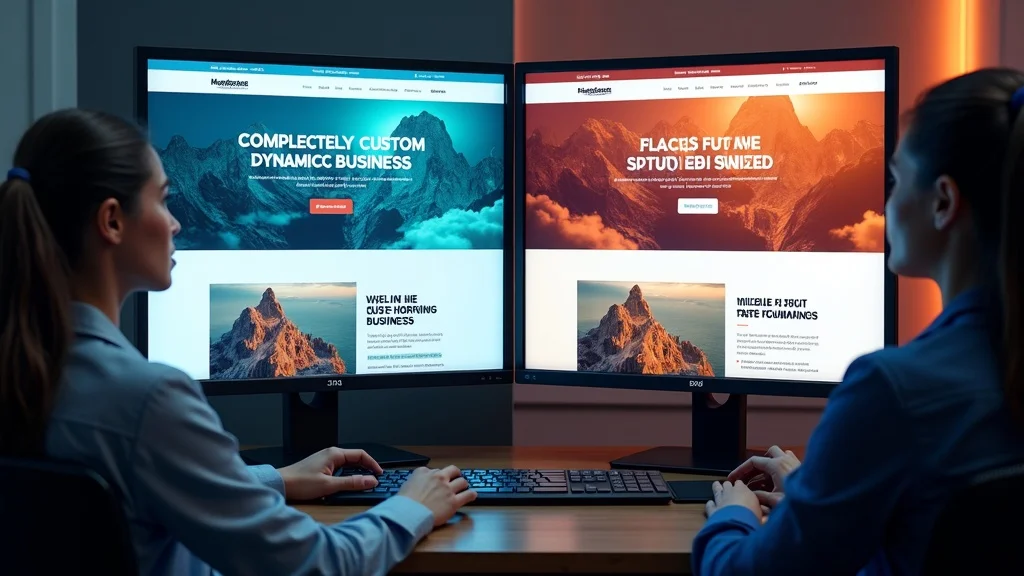
Custom page design empowers your business to create a distinctive online identity that resonates with customers and sets you apart in a crowded digital landscape. This approach allows for flexible layouts, interactive features, and branded storytelling tailored to your market. By contrast, basic website templates offer convenience but lack the depth and customization many growing businesses require.
Personalized web design leverages advanced design tools, unique visual elements, and scalable site designs. You gain the flexibility to incorporate dynamic content, interactive product demos, and responsive design that looks great on every device. Investing in personalization isn’t just about aesthetics—it’s a powerful driver of higher engagement, lower bounce rates, and increased conversions.
User Experience as a Competitive Advantage
Today’s users expect web pages to load quickly, function seamlessly on all platforms, and guide them effortlessly to their goals. By prioritizing user experience from intuitive navigation to compelling calls to action, your business immediately gains an edge over less sophisticated competitors. Great website design isn’t just decoration; it’s your best salesperson, working 24/7 to convert visitors and drive your business forward.
Every detail from mobile optimization to context-aware content contributes to a frictionless experience. When users feel understood and valued, they’re far more likely to convert, refer others, and return for repeat business, making exceptional site design a cornerstone of your digital marketing strategy.
Website Design For Different Business Types: Ecommerce, Lead Gen, and More
-
Ecommerce Website Design: Focus on product discoverability, streamlined checkout, and trust-building features (like reviews, badges, and secure payment).
-
Service-Based Business Site Design: Highlight services, showcase testimonials, and drive inquiries via dedicated landing pages and clear contact forms.
-
Portfolio and Personal Website Design: Tell your story, showcase accomplishments, and integrate social media and content creation tools for broader engagement.
Tables: Comparing Website Design Approaches
| Solution | Pros | Cons | Best For |
|---|---|---|---|
| Professional Web Designer | Custom, strategic, scalable | Higher upfront cost | Serious businesses |
| Website Builder | Fast, low-cost | Limited customization | Small startups |
| Website Template | Affordable, quick | Less personalized | Tight deadlines |
Common Website Design Pitfalls (And How to Avoid Them)

-
Poor mobile optimization
-
Slow loading speeds
-
Confusing site navigation
-
Weak calls to action
-
Unclear visual hierarchy in page design
These pitfalls frequently cost businesses valuable leads and credibility. Always prioritize mobile-friendly layouts, test your site speed, keep navigation simple, craft strong calls to action, and use clear, logical page design to guide users toward their goals. If your current website is falling short, consider a site redesign with an experienced team who understands what works and why.
People Also Ask: Your Top Website Design Questions Answered
How much will it cost to design a website?
Answer:Website design pricing varies widely depending on your exact requirements, the complexity of your site, desired features, and whether you use a website builder, a professional web designer, or templates.
How do I design my own website?
Answer: To design your own website, start by choosing a website builder or template platform, define your site goals, plan the main pages and structure, follow web design best practices, optimize for mobile, and test your site before you publish your website.
What are the five golden rules of web design?
Answer: The five golden rules of web design are: prioritize user experience, keep navigation intuitive, ensure consistency across site design, optimize for mobile and loading speed, and have clear calls to action on every page.
What are the 7 C’s of website design?
Answer: The 7 C’s of website design include: Context, Content, Community, Customization, Communication, Connection, and Commerce. These principles ensure your website design is effective and user-focused.
Proven Steps to Publish Your Website and Start Generating Leads
-
Finalize your site design and review every page
-
Choose the right hosting and domain
-
Optimize web design for SEO and speed
-
Test user experience across devices
-
Launch and promote your new website
Don’t Let Outdated Website Design Cost You
If your business is operating on a weak, outdated, or poorly-optimized website, you are losing leads, sales, and brand authority every single day. Outdated site design signals to visitors that you may be behind the times, unreliable, or less credible than your competitors.
Waiting too long to upgrade can give rivals the edge, cost you prime search engine positions, and erode customer trust. The lost revenue from just a few missed opportunities can quickly exceed the investment required for a site that drives real results.
Partner with Alchemy for Results-Driven Website Design
At Alchemy, we specialize in high-converting, personalized website solutions tailored to your unique goals. Our expert team will ensure you have a site that grows with your business and delivers more leads and sales.
Don’t let your website design hold your business back. At Alchemy, we specialize in website design that converts. Book a call to learn more: bit.ly/discconv
About the Author
Gordon Van Wechel is the founder of Alchemy Consulting Group, a marketing and business growth firm based in Virginia. He is the author of nine books, and can be reached at gordon@thealchemyconsultinggroup.com