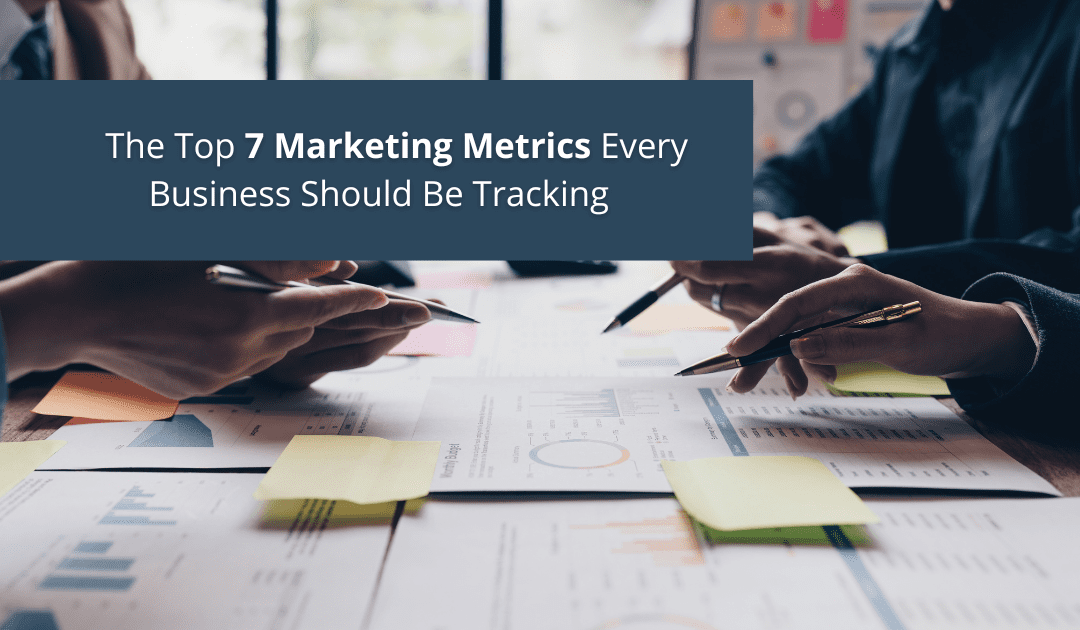
In today’s fast-paced digital world, making data-driven decisions is critical for businesses—especially when it comes to marketing. Without accurate data, businesses risk wasting valuable resources on ineffective marketing channels and campaigns.
Tracking the right marketing metrics allows you to evaluate the performance of your efforts, fine-tune strategies, and achieve better results.
In this article, we’ll explain the importance of marketing metrics, the key marketing metrics to track, and how to use them to maximize your business’s growth.
What Are Marketing Metrics And Why Do They Matter?

Marketing metrics are measurable values that show how well your marketing campaigns perform. They help you gauge the effectiveness of various marketing strategies while providing insight into customer behavior, brand visibility, and overall return on investment (ROI).
By tracking important metrics, you can identify what’s working and what isn’t, enabling you to adjust your strategy accordingly. Ultimately, this type of tracking supports long-term business success by boosting customer acquisition, retention, and profitability.
Top Marketing Metrics Every Business Should Track

There are many different marketing metrics available, so knowing which ones to track can make all the difference. Below are some of the most essential metrics every business should monitor to ensure optimal performance.
1. Website Traffic And User Behavior
Your website often acts as the first point of contact between your business and potential customers. Tracking website traffic and user behavior reveals how visitors engage with your site, helping you improve user experience and conversion rates.
- Total Number Of Visitors (Unique and Returning): Unique visitors represent new prospects, while returning visitors indicate continued interest in your brand. A balance of both signals healthy site engagement.
- Page Views and Session Duration: High page views and long session durations suggest that visitors find your content valuable. Conversely, low numbers could indicate that your site needs better navigation or more compelling content.
- Bounce Rate: A high bounce rate means visitors leave quickly after viewing your web page. Analyzing this metric helps identify problematic pages where users drop off.
2. Lead Generation Metrics

Generating leads is critical for business growth. Lead generation metrics help measure how effective your marketing efforts are at capturing potential customers.
- Number of Leads Generated: This metric tracks how many leads your campaigns generate over time. Consistent lead generation indicates a well-targeted marketing strategy.
- Cost Per Lead (CPL): Divide your total marketing spend by the number of leads generated. A lower CPL means you’re tapping into your target audience and acquiring leads efficiently.
- Lead Conversion Rate: This measures how many leads become paying customers. A higher conversion rate indicates that your marketing funnel and customer journey are well-optimized.
3. Customer Acquisition Metrics
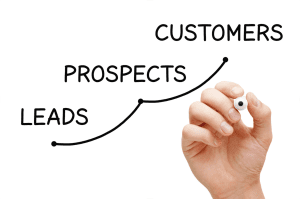
Consistently acquiring new customers is an important part of running a business. Customer acquisition metrics show how much it costs to acquire customers and how valuable they are over time.
- Customer Acquisition Cost (CAC): This metric calculates the cost of acquiring a new customer. Keeping CAC low while maintaining revenue growth is key.
- Customer Lifetime Value (CLV): CLV measures how much revenue a customer generates during their relationship with your business. This value can help you determine how much you can afford to spend to acquire a new customer.
- Sales Cycle Length: The shorter your sales cycle, the faster you can close deals and generate revenue.
4. Social Media Metrics

Social media marketing is important for building brand awareness and engaging with customers. Social media metrics can reveal how effectively your social campaigns connect with your audience.
- Followers Growth: Increasing your follower count indicates growing brand awareness and customer interest.
- Engagement Metrics: These include likes, shares, and comments on your posts. Higher engagement rates show that your content resonates with your audience.
- Click-Through Rate (CTR): This metric tracks how often users click on your social media posts to visit your website. A high CTR indicates compelling and relevant content.
5. Email Marketing Metrics

Email marketing remains one of the most cost-effective digital marketing strategies. Tracking email metrics will help ensure your campaigns drive engagement and conversions.
- Open Rates and Click-Through Rates (CTR): Open rates show how compelling your subject lines are, while CTR measures how engaging your email content is.
- Unsubscribe Rate: A high unsubscribe rate signals that your email content may not be relevant or valuable to your subscribers.
- Conversion Rate from Email Campaigns: This metric measures how many email recipients take a desired action, such as making a purchase or signing up for a webinar.
6. Paid Marketing Metrics

Running paid ads can be a quick way to drive traffic and conversions. It can also be a quick way to waste money if you don’t know what metrics you should be monitoring.
- Return on Ad Spend (ROAS): This measures the revenue generated for every dollar spent on advertising. A high ROAS indicates a profitable ad campaign.
- Cost Per Click (CPC): A lower CPC means your ads are reaching your audience at a lower cost, allowing you to stretch your marketing budget further.
- Conversion Rate from Ads: This metric shows how many people took action after clicking on your ad. A high conversion rate means your ads are compelling and well-targeted.
7. Search Engine Optimization (SEO) Metrics
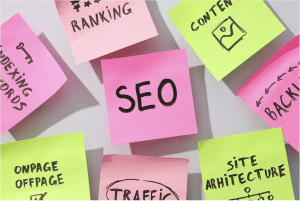
Organic search traffic remains one of the most valuable sources of leads and customers. Improving your SEO metrics can help you have long-term visibility.
- Organic Traffic Growth: Steady growth in organic traffic shows that your SEO efforts are paying off.
- Keyword Rankings: Higher keyword rankings mean better visibility in search engine results.
- Domain Authority (DA) and Page Authority (PA): These metrics predict how well your website will rank in search engines based on link quality and site authority.
How To Use Marketing Metrics To Drive Business Growth

Start with setting clear goals and key performance indicators (KPIs). Define specific, measurable goals to guide your marketing strategy.
Then regularly monitor and adjust campaigns for better results. Use your data-driven insights to inform future marketing decisions.
Marketing Tools To Track Key Metrics
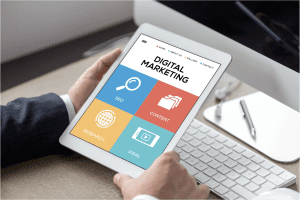
There are countless tools you can use to track the different metrics we’ve discussed here. But below are a few of the most common ones:
- Google Analytics: For website traffic and behavior tracking.
- CRM Platforms (HubSpot, Salesforce, etc.): For managing customer data and tracking sales metrics.
- Social Media Analytics Tools (Hootsuite, Sprout Social, etc.): For social engagement and performance insights.
- SEO Tools (SEMrush, Ahrefs, etc.): For monitoring keyword rankings and domain authority.
Need Help Improving Your Marketing Performance?

Are your marketing metrics falling short of expectations? If you’re not seeing the results you hoped for, it may be time to rethink your strategy.
At The Alchemy Consulting Group, we specialize in digital marketing strategies that drive real business growth. Contact us today for a consultation. Call us at 877-978-2110 to learn how we can transform your marketing campaigns into measurable success.