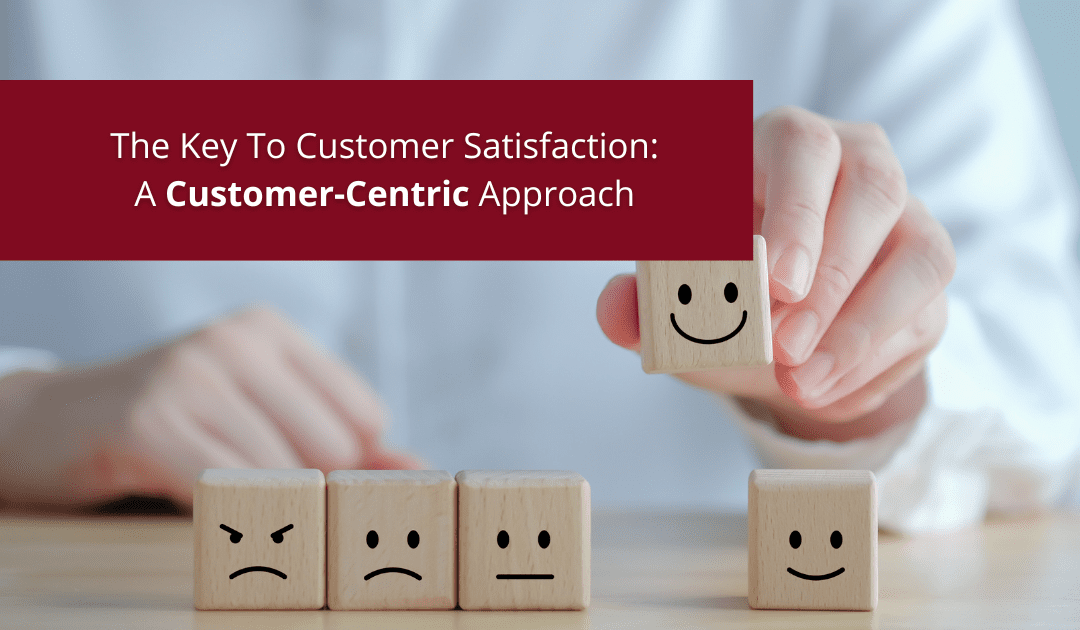
Customer satisfaction is the lifeblood of successful businesses. Satisfied customers drive repeat sales, create positive brand associations, and increase revenue.
But reaching high levels of satisfaction requires more than just delivering a quality product or service. Today’s competitive market demands a shift in perspective—away from solely company-centered goals and toward a customer-centric approach.
In this article, we’ll explore how adopting a customer-centric strategy is the secret to boosting satisfaction and transforming your business.
Shifting From Company-Centric to Customer-Centric

In a traditional company-centric model, businesses focus on internal goals, like revenue growth, product innovation, and sales targets, often without fully considering customer needs or preferences.
However, in today’s digital-first world, customers have taken control of their buying journey. Studies show that 90% of shoppers research online before buying, and over 50% rely on user reviews.
This shift means that businesses must listen to and adapt to what customers actually want.
A prime example of a customer-centric business is Amazon. Jeff Bezos built Amazon with an unyielding commitment to serving customers, putting their needs at the heart of every decision.
This dedication to customer satisfaction has propelled Amazon to the top of customer satisfaction ratings. Emulating this customer-first philosophy can set your business on a similar path to success.
Step 1: Understanding What Your Customers Want

To achieve a customer-centric approach, the first step is to understand your customers’ needs and preferences. What do your customers want to buy, and how do they want to buy it?
The best way to gain this insight is through direct interaction. Conduct customer interviews, distribute surveys, or engage in live chats to gather real feedback.
Listening to your customers—truly listening—can reveal insights that you might otherwise miss.
When customers feel heard, their loyalty grows, and you gain valuable data to shape your products or services. Adjustments based on this feedback can create a seamless experience for customers and build stronger, lasting customer relationships.
Step 2: Adapting Your Offerings To Match Customer Needs

Understanding customers is only half the battle. You must also adapt your offerings to align with their preferences. Use the feedback you gather to create reports and summaries that inform decision-makers.
These insights can be invaluable in updating products, services, and marketing strategies to match customer expectations.
Make sure that all relevant teams within your organization are involved in this process. Customer-centric changes are more effective when every department, from product development to sales and support, is committed to making the necessary shifts.
Step 3: Aligning Your Business Model With Customer Buying Habits

Your sales model should reflect the way your customers want to buy. If customers are interested in flexible payment options, consider introducing subscription models or payment plans.
If they prefer self-service online options, make sure those are available and user-friendly. Adapting to customer buying habits shows that your business is committed to meeting their needs, not just pushing products or services.
By taking time to understand and align with the customer’s journey, you make it easier for them to choose you over competitors. This approach boosts satisfaction creating loyal customers, and ultimately improving customer retention.
Step 4: Integrating With Your Customer Service Team

Once customers have made a purchase, the relationship shouldn’t end there. Customer-centric companies incorporate their needs into their support operations.
The key to this is evaluating which customer support tasks can be automated to improve efficiency while still offering personal assistance when necessary.
Documenting the customer experience in detail allows you to maintain consistent, high-quality support across every interaction. When customers feel supported and valued after the sale, they’re more likely to become repeat buyers and advocates for your brand.
Step 5: Rolling Out A Customer-Centric Revenue Growth Plan

Adopting a customer-centric approach is not a one-time task; it requires an ongoing commitment and a structured plan.
Once you’ve adapted your products, services, and support operations, it’s time to develop a clear growth plan focused on customer satisfaction.
Set specific metrics and KPIs to measure success, such as customer satisfaction scores, retention rates, and Net Promoter Scores (NPS).
Consistently review and adjust strategies based on these insights. By keeping the focus on customer satisfaction, your business can continue to evolve with changing customer needs and market trends.
The Challenge Of Embracing Change

Shifting to a customer-centric culture may present internal challenges, as it often requires changing established processes and mindsets.
To overcome resistance, foster a team-wide understanding of the importance of customer satisfaction. This effort should be led by example, with leadership consistently demonstrating a customer-first approach.
Consider the “flip” method— implementing the new way of doing things all at once, rather than incrementally.
This approach can be more effective in building momentum and minimizing confusion, helping your team embrace customer-centricity more quickly.
Leverage Technology To Enhance A Positive Customer Experience

Technology is a powerful ally in your customer satisfaction efforts. Tools like Google Analytics, CRM systems, and marketing automation platforms provide data-driven insights into customer behaviors and preferences.
These tools can track website visits, gather customer feedback, and streamline communication, allowing you to tailor your strategies more precisely to meet customer expectations.
Consider investing in platforms that offer advanced features like customer segmentation, real-time engagement tracking, and automated email campaigns.
Using technology effectively allows you to improve satisfaction at every stage of the customer journey.
Creating Customer Centricity In Your Business

Creating a customer-centric organization may require significant changes, but the rewards are well worth it. Taking small steps toward understanding and meeting customer needs can lead to brand loyalty and long-term growth.
If you’re ready to transform your business, but need help in this new age of marketing and evaluating what your customers want, our team at The Alchemy Consulting Group is here to help.
Contact us at 877-978-2110 to learn how we can support you in navigating this essential journey to customer satisfaction.