

Startling Statistic: It’s predicted that by 2026, 75% of businesses that keep up with digital marketing trends and adapt to the digital transformation, will report an average revenue growth four times higher than those who don’t. In the ever-accelerating landscape of digital marketing, keeping pace isn’t just a matter of growth—it’s a matter of survival.
With new technologies reshaping how brands connect with their audiences, this is the defining moment to understand and leverage digital marketing trends. If you want your business to thrive in a hyper-digital future, this article is your playbook to mastering the strategies and technologies that will set you apart.
Key Takeaways: Digital Marketing Trends 2026
-
Businesses that act on digital marketing trends now will be better positioned in 2026
-
AI, automation, and new social platforms are reshaping the marketing landscape
-
Data privacy and consumer trust are emerging as competitive differentiators
-
Ally with digital marketing experts to stay ahead of disruption
Digital Marketing Trends—A Defining Moment for Businesses in 2026
Keeping up with digital marketing trends is now the main driver separating high-growth companies from those left behind. Today’s marketing trends—from generative AI to niche social platforms—are not just marketing buzzwords; they are essential pillars for business resilience.
The rapid growth in artificial intelligence, the pivotal role of short-form video content, and new data privacy expectations are rewriting the rules of digital engagement. Businesses equipped with knowledge and flexibility to act on these trends will sharpen their competitive advantage, while those relying on strategies from even a year ago are at real risk of being outpaced by digital-savvy competitors.
Embracing these trends means more than adopting new technology. It requires a holistic shift in how you view your marketing strategies, teams, and resources. With so many emerging channels and tools, from AI tools for rapid content creation to sophisticated influencer marketing programs, companies must stay agile. Act now, and you’ll discover tangible revenue and brand loyalty benefits that position your business for long-term success in 2026 and beyond.
What You’ll Learn About Digital Marketing Trends for 2026
-
The most crucial digital marketing trends shaping 2026
-
How emerging marketing trends will impact your business strategy
-
Which marketing trends require immediate adoption
-
Actionable strategies to harness these digital marketing trends for growth

Key Digital Marketing Trends vs. Impact in 2026
| Trend | Projected Impact on Business | Required Investment | Implementation Complexity | Example Tools/Platforms |
|---|---|---|---|---|
| Generative AI for Content Creation | Major productivity boost; higher engagement | Medium | Medium | ChatGPT, Jasper AI |
| Voice Search Optimization | Increased organic traffic; better accessibility | Low | Low | Google Search Console, Answer the Public |
| Short-form Video Content | Maximized reach on social platforms | Medium | Medium | TikTok, Reels, YouTube Shorts |
| Enhanced Data Privacy Protocols | Higher consumer trust; compliance protection | High | High | OneTrust, TrustArc |
| Community-led Social Platforms | Greater brand loyalty; word-of-mouth growth | Low | Medium | Discord, Reddit, Geneva |
| AI-powered Campaign Automation | Reduced costs; increased campaign ROI | Medium | Medium | HubSpot, Marketo, Zapier |
Understanding Digital Marketing Trends: Why Keeping Up Matters
In a world where digital marketing trends define the playing field, the question is no longer whether your business should adapt, but how quickly can you embrace the change? The most successful companies of the modern era credit their growth to a proactive approach—striking fast when new digital strategies prove effective.
As marketing trend cycles shorten, it’s crucial to spot signals early and adjust your marketing strategy accordingly. Missing out can compromise competitiveness, cause talent drain, and lose valuable customer mindshare to agile rivals.
The stakes are higher than ever for business owners: adopting the right digital marketing trends now safeguards your brand, opens up bigger markets, and ensures you’re building a sustainable, scalable presence amid constant digital disruption. Every element, from your customer journey mapping to your use of AI tools, impacts how your brand is perceived, trusted, and engaged with across all media platforms. Keeping up is not optional—it’s existential.
How Digital Marketing Trends Influence Business Survival
The world of digital marketing is relentlessly fast-moving. Businesses that adapt to key marketing trends—such as voice search, advanced artificial intelligence, or cross-platform customer journey experiences—are not just keeping up; they’re thriving. In today’s market, even a year’s delay in embracing new digital marketing trends can set you far behind. Those who prioritize digital innovation see higher customer engagement, improved conversion rates, and sustained revenue growth.
Ignoring these trends can have serious consequences. With constant search engine algorithm updates and evolving social platforms, your once-stable traffic and brand awareness can evaporate. To survive, businesses must evaluate and implement the right AI tools, automation solutions, and community platforms. Remember, it’s not just about doing more; it’s about being smarter and more adaptable than the competition.
Marketing Trends That Separate Winners from Losers
Some digital marketing trends act as clear lines between market leaders and followers. Flexible, data-driven organizations have made generative AI, real-time videos, transparency in privacy, and community-building central to their marketing strategies.
By leveraging machine learning for personalization, targeting, and campaign testing, they create experiences that feel tailor-made for their audience. Winners never treat digital marketing as a one-time set-and-forget exercise; they’re continually testing, refining, and measuring to stay a step ahead.
In contrast, “loser” brands stick to outdated advertising methods and ignore the value of trends like micro-influencer marketing, limiting reach and relevance. They often lack the automation to scale effectively, struggle with campaign fatigue, and fail to maintain trust as data privacy norms evolve. Adaptability is your most valuable asset. Those who rapidly adopt digital marketing trends win business, trust, and customer loyalty, building an unshakeable brand for 2026 and beyond.
Breakthrough Marketing Trends Shaping 2026
Generative AI and AI Tools Transforming Digital Marketing
-
Use of generative AI in content creation
-
AI tools streamlining campaign optimization
-
Machine learning & artificial intelligence for targeting

One of the most influential digital marketing trends in 2026 is the rise of generative AI. Modern marketers are leveraging AI tools like ChatGPT, Jasper AI, and custom language models to produce tailored, high-converting content at scale. No longer just a buzzword, generative AI powers blog posts, email sequences, ad copy, and even dynamic video content in real time—bolstering both efficiency and creativity.
In addition, AI tools now automate A/B testing, predict optimal posting schedules, and uncover audience segments none could spot without machine learning. For any business owner, adopting AI is a no-brainer for boosting ROI and freeing up your team to focus on strategy. If you haven’t started testing generative AI and machine learning for your digital marketing, now is the critical moment—adoption now means a distinct competitive advantage by 2026.
Voice Search and New Search Behavior Patterns
The surging popularity of smart speakers, voice assistants, and conversational interfaces has made voice search one of the defining marketing trends of this decade. Users now expect brands to anticipate natural language queries, optimize for featured snippets, and meet “on-the-go” search intent.
By 2026, voice-driven search engine queries are projected to surpass text-based searches for certain market segments. Savvy marketers optimize their content creation by focusing on question-based keywords, conversational phrasing, and highly-localized targeting—connecting with users the exact moment they ask for help.
This shift demands re-thinking everything from FAQ sections and schema markup to mobile playback speed, as search engines continue to reward fast-loading, relevant voice-first content. Adapting to voice search not only unlocks new growth opportunities but also ensures that your digital marketing investment is future-proofed against generational shifts in user behavior.
The Evolution of Social Media & Social Platforms
-
Growth of niche social platforms
-
Shifting influencer marketing strategies
-
User-generated content dynamics
Social media and social platforms are rapidly changing. As audiences fragment, the popularity of niche social media platforms—catering to highly targeted groups—creates powerful opportunities for brands to connect with engaged, loyal communities. The focus has moved from mass appeal to meaningful engagement, with influencer marketing adapting accordingly; brands now look to “micro” or even “nano” influencers who deliver authenticity and trust.
User-generated content is gaining traction, driving genuine word-of-mouth impact on media platforms like Reddit, Discord, and Geneva. Marketers who learn to weave together owned, earned, and paid content across different channels build brand awareness and customer loyalty. In 2026, winning on social means learning the dynamics of each platform, adjusting strategies in real time, and building true community, not just an audience.
Privacy, Data Protection, and Consumer Trust
More than ever before, data privacy and ethical data use are top-of-mind for consumers and search engines alike. Strict regulations and public demand for transparency are now the norm: customers expect businesses not only to protect their data, but to communicate how it’s handled.
Enhanced privacy is not just a compliance box to check; it’s an integral part of your brand’s value proposition. Businesses investing in privacy-centric experiences stand out in crowded markets, nurturing trust, strengthening loyalty, and navigating shifting legal landscapes with agility.
To keep up with digital marketing trends, brands must implement clear privacy statements, opt-in processes, and thoughtful data management practices. Focusing on consent and security can set you apart as a trustworthy industry leader—all of which translate to measurable business results in 2026.
Short-Form Video Content and Its Impact on Digital Marketing
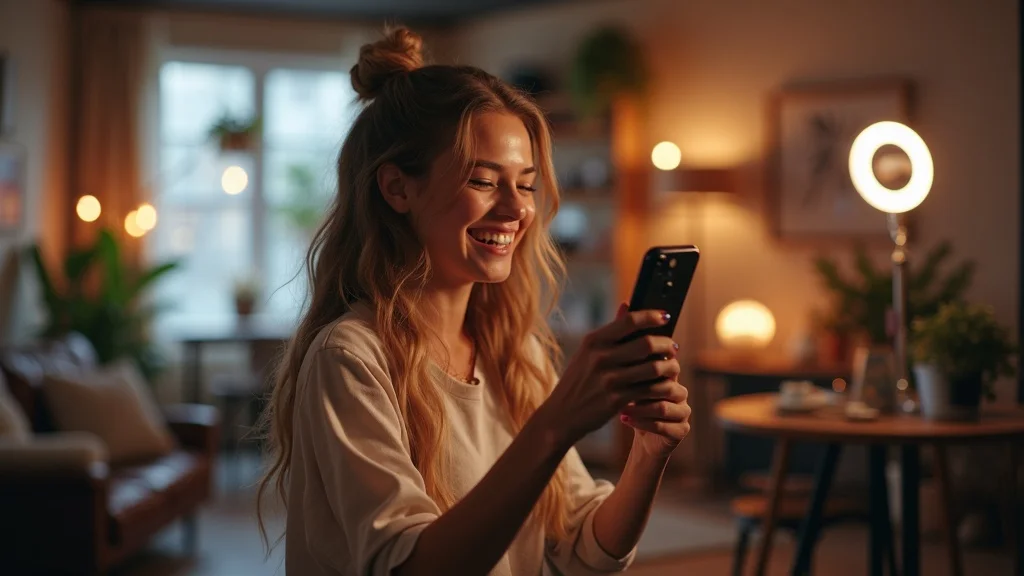
Short-Form Video Content on Social Platforms
Short-form video is now at the heart of successful digital marketing strategies. Whether it’s TikTok, Instagram Reels, or YouTube Shorts, these formats generate rapid engagement and viral potential unmatched by static media.
Audiences, especially savvy Gen Z and Millennials, respond to quick, authentic, bite-sized stories that capture attention in seconds. Brands leveraging eye-catching visuals, humor, and trending sound elements experience exponential reach and stay top-of-mind with their target audience.
Short-form video also amplifies other digital marketing trends, such as influencer-driven challenges, interactive polls, and live drops. For 2026, prioritize developing a unique video content style, experiment relentlessly, and use platform-native features. The brands that move fast in mastering video will be those with the greatest digital reach by year’s end.
Live Video and Interactive Experiences as Marketing Trends
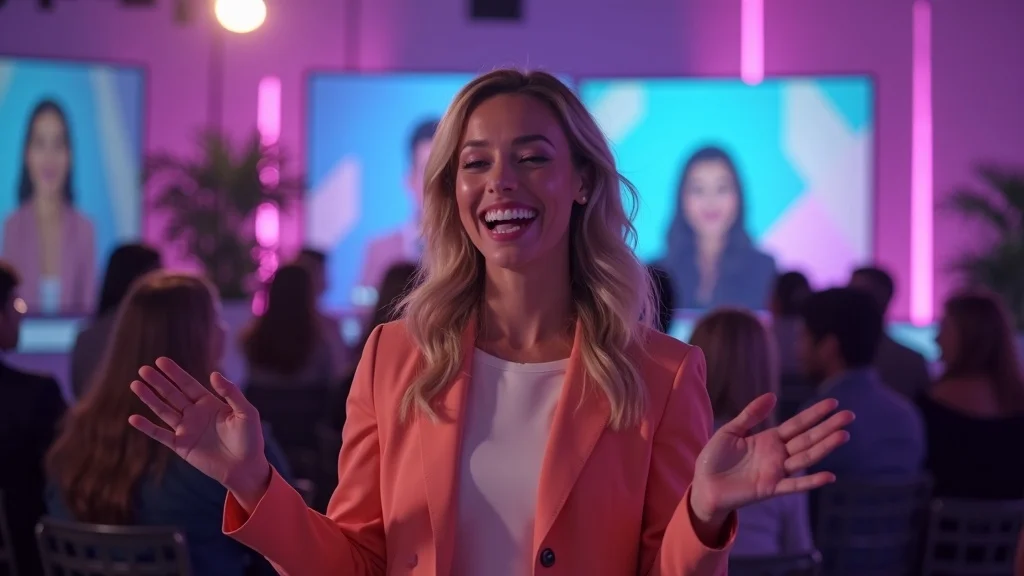
Live video is becoming a cornerstone of digital marketing, offering real-time interaction between brands and audiences. These live sessions, whether Q&As, product launches, or interactive workshops, drive high engagement, increase time-on-site, and deepen consumer relationships. The immediacy and authenticity of live content is difficult to replicate elsewhere, making it valuable for generating buzz and memorable experiences.
Additionally, technologies like real-time polls, clickable overlays, and live shopping integrations transform passive watchers into active participants. By 2026, brands that frequently host interactive experiences—not just as one-off events but as core components of their marketing plan—will build brand loyalty and a culture of meaningful engagement.
Content Creation in the Age of Digital Marketing Trends
Leveraging AI for Scalable Content Creation
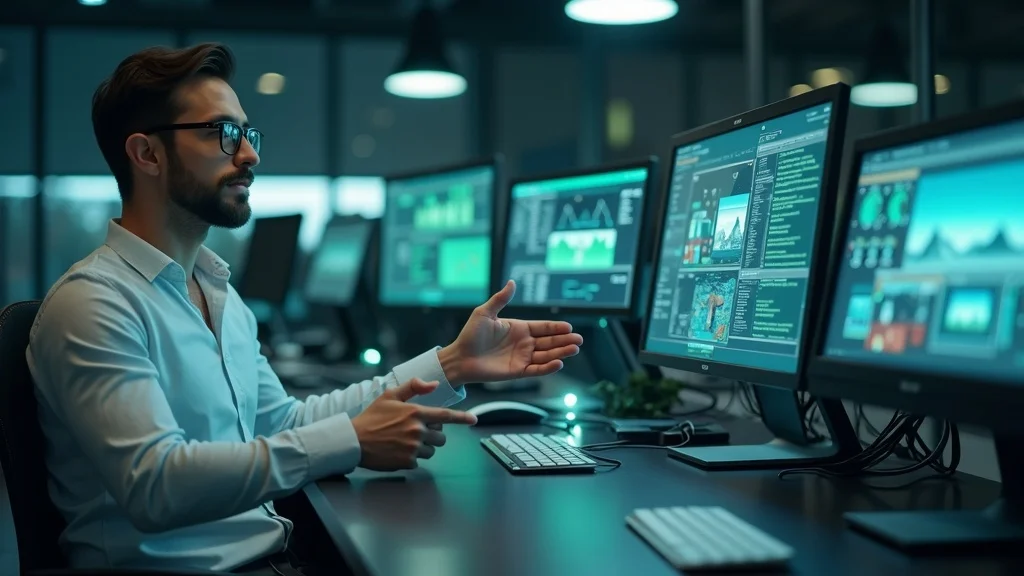
The shift toward scalable, high-quality content creation is one of the most powerful digital marketing trends of 2026. AI-driven content isn’t about removing humans from the creative process. Instead, it’s about giving teams more resources for ideation and rapid deployment.
If you’re still relying solely on manual content creation, you’re not just slower—you’re invisible to fast-moving audiences who expect fresh, relevant messaging at every stage of their customer journey.
Generated Content: Maintaining Quality At Scale
With the growing availability of generative AI and automated platforms, maintaining quality content at scale becomes both opportunity and challenge. Great brands don’t just churn out mass-generated content—they ensure each piece aligns with their voice, values, and customer needs. Constant quality checks, refreshing data, and blending expert human insight with AI-driven drafts will define the new standard by 2026.
The secret? Treat generated content as a starting point, not the finish line. Use analytics to monitor what works, refine with strategic input, and personalize at every opportunity. The companies that combine automation with authenticity will win customer loyalty and set themselves above the generic digital noise.
Influencer Marketing Trends: Authenticity, Micro-Influencers and ROI
How Influencer Marketing is Reshaping Brand Relationships

The landscape of influencer marketing has shifted. No longer dominated by big celebrities, the trend is now toward everyday creators and micro-influencers who foster more intimate, loyal follower relationships. Authenticity drives engagement—audiences demand real stories, relatable experiences, and honest opinions. Smart brands are seeking out influencers who share their values and can truly connect with their target audiences, not just rent attention.
This evolution means more cost-effective, measurable impact. Influencer marketing now delivers impressive ROI by leveraging niche expertise and community-led social platforms. With advanced tracking tools, you can spotlight which voices actually move the needle for your business, shifting budget from short-term celebrity “endorsements” to long-term advocacy partnerships.
Micro-Influencer Marketing Trends on Emerging Social Platforms
As emerging social platforms like Discord, Geneva, and niche forums grow, micro-influencers are becoming the backbone of community engagement and organic growth. These specialized creators command a loyal following within interest-based communities, sparking conversations and shaping trends that major brands can’t easily penetrate alone.
By collaborating with the right micro-influencers, brands gain direct access to engaged groups, foster trust, and drive campaign authenticity—often at a fraction of traditional digital marketing costs. The next generation of digital marketing trends sees brands treating these partnerships as relationships, not transactions.
The Customer Journey and Personalization in Modern Digital Marketing
Mapping the Omnichannel Customer Journey

Understanding and optimizing the omnichannel customer journey is central to digital marketing success in 2026. Today, customers interact with brands across websites, apps, social platforms, live events, and email—all expecting a seamless, unified experience. Mapping these touchpoints is crucial: successful brands trace each interaction to uncover moments where trust, value, and conversion can be maximized.
Tools like customer journey mapping software, real-time analytics, and integrated CRM platforms help visualize this path, highlighting gaps and opportunities for improvement. Businesses using these insights to anticipate needs, remove friction, and delight users at every step will set the pace in their industry.
Personalization Enabled by Artificial Intelligence and Data
Hyper-personalization is no longer optional. Powered by artificial intelligence and advanced data tools, brands can now deliver custom messages, offers, and product recommendations in real time. Personalization enhances every marketing strategy, increasing conversion rates and lifetime value by making each customer feel understood and valued.
But be mindful: as personalization grows, so do customer expectations around data privacy and consent. Transparently using data for mutual benefit is the gold standard—prioritize meaningful personalization, never manipulation, and you’ll build an unbreakable trust bridge with your audience.
Data Privacy and Compliance: The New Digital Marketing Trend Leaders
Evolving Regulations and Customer Expectations

Data privacy regulations such as GDPR, CCPA, and regional privacy laws are evolving every year. Customer awareness is growing, with more people demanding transparency over how their data is collected and used. Adhering to new standards is vital—not just to avoid penalties, but because privacy is a make-or-break marketing trend that can strengthen or shatter consumer trust.
By 2026, leaders in digital marketing will be those who proactively update policies, educate staff, and maintain transparent customer communication around security and privacy protections. Building this foundation will not only avoid costly legal setbacks but also become a point of pride and differentiation in your messaging.
Building Consumer Trust in Digital Marketing
Establishing trust is the bedrock of successful digital marketing. Go beyond the bare minimum required by law—showcase how you protect customer information, honor opt-outs, and respect preferences at every interaction point. Incorporate visible trust signals on your website, highlight certifications, and make privacy part of your brand promise. When consumers feel secure, they are more likely to engage, purchase, and advocate for your business.
Remember, trust is earned in increments but can be lost in an instant. Make data privacy and compliance a daily practice, not an annual box-tick, and watch as it fuels both your reputation and your growth.
AI Tools, Automation & the Future of Digital Marketing Operations
Machine Learning for Campaign Management
-
Examples of top marketing AI tools for 2026
-
Workflow automation trends
Machine learning is now the engine that powers smart, efficient campaign management. AI tools like HubSpot, Marketo, Salesforce Einstein, and custom analytics dashboards enable businesses to automate campaign optimization, uncover new target audiences, and predict user behavior with increasing accuracy. By automating repetitive marketing tasks, businesses free up time to focus on creativity, strategy, and customer relationships.
Workflow automation, from lead scoring and drip emails to ROI tracking and data cleansing, has become standard across high-performing companies. By 2026, those who embrace these automation trends will not only do more with less but will discover new opportunities competitor brands still miss.
How Automation Accelerates Marketing Trends Adoption
Automation accelerates everything: trend adoption, content rollout, campaign iteration, and audience analysis. Agile businesses integrate automation at every stage, enabling rapid pivots as new digital marketing trends emerge. The practical advantages are real—less human error, lower costs, stronger performance metrics, and deeper customer engagement.
To maximize returns, blend human creativity with automated efficiency. Adopt a mindset of continuous learning—test, measure, tweak, and automate again. The future of digital marketing is not about choosing between bots or humans. It’s about building collaborative workflows, led by data and supercharged by AI, that keep your brand resilient and relevant in any market change.
Emerging Social Platforms, Channels, and Marketing Trends in 2026
New Social Platform Innovations and Marketing Opportunities
As digital user behavior shifts, new social platforms are reshaping how brands reach their audiences. Innovative, community-first networks (like Geneva, BeReal, and niche professional groups) offer untapped opportunities for brands to create direct, meaningful dialog with their ideal customers. Success on these platforms relies on understanding unique platform culture while blending authenticity, entertainment, and value-driven content.
Early adoption of emerging channels can make your brand a respected leader and trendsetter, rather than a late adopter. The next phase of digital marketing trends will see brands acting as facilitators of conversation, leading within groups, not just broadcasting to them.
The Role of Community-led Growth in Digital Marketing Trends
Community-led growth—that is, empowering and nurturing brand communities online—will define the breakout successes of 2026. This organic, network-driven growth is highly scalable, low-cost, and lends credibility that traditional campaigns often can’t match.
Focus your resources on building genuine communities, whether it’s a private Discord, branded LinkedIn group, or VIP customer circle. The more your digital marketing becomes about helping users help each other, the more “anti-fragile” your brand becomes in a rapidly changing marketplace.
People Also Ask About Digital Marketing Trends
What is the trend in digital marketing?
Digital marketing trends in 2026 emphasize widespread AI adoption, hyper-personalization, enhanced privacy measures, the dominance of video and short-form content, and ongoing evolutions in influencer and social platform strategies for maximum engagement.
What is the 3 3 3 rule in marketing?
The 3 3 3 rule in marketing is a framework urging marketers to create three headlines, three opening sentences, and three calls to action for every campaign component. This approach enhances testing and adaptability—a practice increasingly aligned with agile digital marketing trends.
What are the top 7 types of digital marketing?
The seven core types of digital marketing include Search Engine Optimization (SEO), Content Marketing, Social Media Marketing, Email Marketing, Paid Advertising (PPC), Affiliate Marketing, and Influencer Marketing—each reflecting current marketing trends and technological shifts.
What is the future of digital marketing in 2026?
By 2026, the future of digital marketing will center on AI-driven decision-making, multichannel personalization, privacy-first data practices, and innovations in video and interactive experiences. These digital marketing trends underscore adaptability as key to business resilience and success.
Top Actionable Strategies: Adapting to Digital Marketing Trends in 2026
-
Implement generative AI for personalized content
-
Prioritize short-form and live video content
-
Strengthen data privacy protocols
-
Engage with niche social platforms and micro-influencers
-
Automate repetitive tasks using advanced AI tools
FAQs on Digital Marketing Trends for 2026
-
How quickly should my business adapt to new marketing trends?
As rapidly as possible. The most successful companies monitor, test, and implement new digital marketing trends in real time. Delays can lead to lost market share and customer enthusiasm. -
What AI tools are most beneficial for digital marketing?
Leading AI tools like ChatGPT, Jasper AI, HubSpot, and Marketo stand out for content creation, campaign management, and workflow automation. The best choice depends on your needs and scale. -
How can I ensure digital marketing compliance with data privacy regulations?
Stay updated with global and regional privacy laws, invest in compliance platforms, and maintain clear communication with customers regarding data practices. -
What role do social platforms play in customer acquisition in 2026?
Social platforms serve as key acquisition channels, particularly through niche communities and influencer-driven content. Rapid engagement and targeted relationship-building drive conversion and retention.
Navigating Digital Marketing Trends in 2026
“The only constant in digital marketing trends is change—the businesses that thrive are those that adapt and innovate ahead of the curve.”
Adapt today or risk falling behind tomorrow. Your ability to embrace digital marketing trends is what will define your business in the coming years.
This Could Be the Last Year Your Current Marketing Strategy Still Works
If you wait to adapt, you won’t just fall behind—you’ll disappear from where your customers are already looking. Digital marketing trends are moving faster than ever, and the brands who hesitate now will lose visibility, leads, and revenue to competitors who acted sooner.
However, you don’t have to navigate this alone. Our marketing experts at Alchemy specialize in building future-proof strategies that help businesses not only stay competitive, but dominate their market as digital trends evolve.
If you want your business to grow—not struggle—in 2026, now is the moment to take action. Call us at 877-978-2110 or book a call at a time that is convenient for you, and let’s start building the marketing plan that keeps you ahead of the curve: bit.ly/discconv.
About the Author
Gordon Van Wechel is the founder of Alchemy Consulting Group, a marketing and business growth firm based in Virginia. He is the author of nine books, and can be reached at gordon@thealchemyconsultinggroup.com