

Have you ever wondered if your marketing efforts are triggering yawns instead of conversions? In a world where consumer behavior is evolving rapidly, clinging to outdated marketing can silently drain your revenue and empower your competitors.
As a business owner, ignoring the shift towards modern marketing strategies isn’t just risky—it could be the root cause of lost leads and dwindling customer engagement. In this article, we dive deep into the red flags that indicate your marketing is outdated, and deliver practical solutions to reignite growth.
Key Takeaways
-
Outdated marketing reduces lead generation and customer engagement.
-
Failing to update your marketing strategy can result in lost visibility and shrinking market share.
-
Modern digital marketing drives higher ROI and business growth.
-
Regular marketing strategy reviews are essential for sustained success.
-
Integrating AI, data-driven insights, and multi-channel engagement is essential to stay competitive in today’s digital-first landscape.
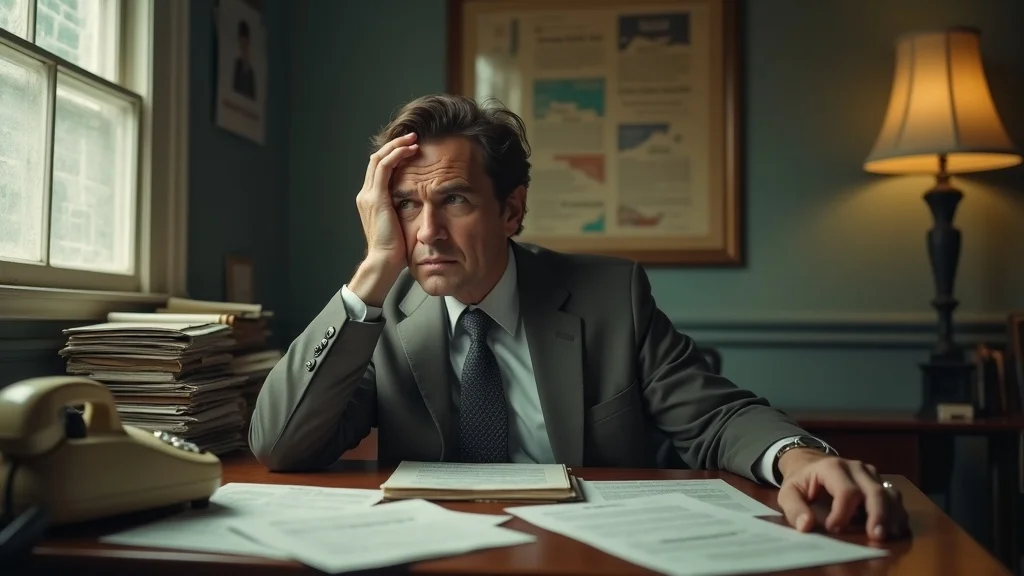
Why Recognizing Outdated Marketing is Critical for Success
In today’s digital-first landscape, recognizing the warning signs of outdated marketing is no longer optional—it’s critical for survival. Many businesses continue to invest resources in tactics that were effective years ago but now barely reach their target audience. Over time, consumer expectations have transformed; people demand real-time engagement, personalized experiences, and seamless access across platforms.
When companies overlook these shifts, the result is diminishing conversion rates and lost competitive advantage. By identifying and addressing these outdated marketing strategies quickly, business owners can reclaim lost ground, boost lead generation, and restore meaningful connections with their audience. This awareness sets the stage for developing a marketing strategy that’s not only current but forward-thinking, positioning your business for lasting success.
What You’ll Learn About Outdated Marketing and Its Impact
-
Key indicators of outdated marketing strategies in business
-
Risks associated with neglecting digital marketing updates
-
Real-world examples of failed marketing tactics
-
How to transition from outdated to modern marketing strategies
Table of Content: Quick Guide to Spotting Outdated Marketing
| Section | Sign of Outdated Marketing | Impact on Business | Modern Alternative |
|---|---|---|---|
| Print Advertising Overload | Exclusive reliance on flyers, brochures, and mailers | Limited reach, declining customer base | Integrated digital and content marketing |
| Out-of-Date Website | Non-mobile responsive, slow loading, poor UX | Deters potential customers, hurts SEO | Modern, responsive websites with optimized SEO |
| Ignoring Social Media | No consistent presence or engagement | Missed customer interactions, reduced brand visibility | Active, targeted social campaigns across platforms |
| Stale Email List | Low open rates, messages in spam folders | Wasted marketing budget, lost opportunities | Segmented, data-driven email marketing |
Understanding Outdated Marketing Tactics Today
Defining Outdated Marketing in the Digital Age
Outdated marketing refers to marketing tactics and strategies that were once effective but no longer resonate with modern consumers. Years ago, methods like direct mail, cold calling, and reliance on print advertising comprised the backbone of most marketing campaigns. However, as technology advanced and consumer behavior shifted, these tactics lost their edge.
Today’s audiences are fragmented across digital channels, and attention spans are shorter than ever. The hallmark of outdated marketing is its focus on broad, non-personalized messaging rather than catering to specific audience segments using data-driven insights. Ignoring the evolution of marketing platforms—such as the surge of social media and the integration of AI-driven tools—can result in strategies that feel out of touch, leading to disengagement and poor ROI.
The Evolution from Traditional to Digital Marketing Strategy
The journey from traditional to digital marketing strategy has been rapid and transformative. Traditional marketing strategies—rooted in mediums like radio, TV, and print—once allowed businesses to reach broad audiences with little segmentation. However, with the digital revolution, these approaches started to fall short of new expectations.
Digital marketing introduced measurable, targeted approaches and allowed for real-time feedback. Tactics like social media marketing, influencer partnerships, SEO, and programmatic ads now enable marketers to engage specific audience segments with highly relevant content. Businesses that adapt to these modern, data-driven approaches unlock much higher conversion rates and are better positioned for marketing success in an increasingly competitive environment.

How Outdated Marketing Affects Small Businesses
Small businesses relying on outdated marketing tactics risk becoming invisible to their target audience. In today’s digital landscape, potential customers are searching, comparing, and purchasing online. When a small business fails to adapt, it can face issues like declining sales, lower engagement, and reduced market share.
Years ago, a new print campaign might have attracted a flood of local interest, but now consumers expect personalization, transparency, and instant information. Outdated strategies — such as failing to update a website or not being present on social media — can make your business seem outmoded and disconnected. As a result, not only do you lose out on attracting new clients, but it also jeopardizes the loyalty of existing customers.
“Adapting to modern marketing is no longer a choice, but a necessity for growth.”
Hidden Signs Your Business is Relying on Outdated Marketing
Ignoring Digital Marketing Trends: Why It’s Costly
Modern business thrives on agility and adaptation. If you find your marketing team still measuring success through outdated metrics—like newspaper ad impressions or direct mail response rates—you may be missing key signals that your audience has moved on.
Skipping out on integrating things like search engine optimization (SEO), online reputation management, or AI-driven data analytics means your marketing efforts are unlikely to connect with current customer needs. Ignoring digital trends translates directly to wasted marketing budget and lost opportunities to engage the very people driving industry growth.
Relying Solely on Print Advertising in a Digital World
While print advertising can still play a role in multi-channel campaigns, using it as your main or only marketing approach is a clear sign of falling behind. Years ago, local papers and printed brochures dominated, but now audiences spend most of their time online. Sole reliance on print restricts your messaging to passive audiences and yields poor analytics data, making it nearly impossible to optimize your reach.
Incorporating digital marketing tactics such as PPC ads, email marketing, and social media campaigns opens new pathways to connect, measure, and refine your marketing strategy in real time—delivering far more value from your investment.
Underutilized Email List: Are Your Emails Landing in Spam Folders?
A once-robust email list can quickly become obsolete if neglected. Low engagement rates signal that your emails may be landing in spam folders, missing your target audience entirely. Routine blasts to outdated or uninterested subscribers damage deliverability and your sender reputation, lowering future open and click-through rates.
To revitalize performance, segment your email list, personalize content, and ensure compliance with the latest anti-spam best practices. This targeted, respectful approach rebuilds trust and maximizes your campaign’s ROI, keeping you top-of-mind and out of the junk bin.
Missing Out on Social Media and AI-Powered Marketing Tactics
Social media and artificial intelligence are no longer “nice-to-haves”—they’re essential ingredients of any effective modern marketing plan. If your business is absent from platforms like Facebook, Instagram, or LinkedIn, or avoids using AI-driven personalization or chatbots, you’re leaving a major void in customer engagement.
Modern consumers expect instantaneous responses, curated content, and seamless service experiences—demands only met by leveraging modern marketing and technology. Failing to adopt these tactics limits your ability to reach new audience segments and hampers the growth potential of your business, especially in a digitally connected world.

Outdated Website Design That Deters Potential Customers
Your website is the digital storefront for your business. A site that isn’t mobile-responsive, visually outdated, or slow to load creates a poor first impression and can quickly send potential customers straight to competitors. Search engines also penalize outdated websites in rankings, further eroding your visibility.
Invest in regular website updates, intuitive navigation, and high-quality content to ensure you not only attract traffic but also convert visitors into loyal customers. In today’s market, a modern, optimized site is crucial to maintaining credibility and growing your online presence.
Lists: Top 10 Signs Your Marketing Strategy is Outdated
-
Website is not mobile-responsive
-
No active presence on major social media platforms
-
Relying on outdated print advertising
-
Email campaigns have low engagement rates
-
No AI or chatbot integration for customer service
-
Ignoring SEO and online reputation management
-
Campaigns are not data-driven
-
Marketing budget misallocated to obsolete channels
-
No regular updates to marketing strategies
-
Failure to leverage media sites and content marketing
-

Comparing Outdated vs. Modern Marketing Strategies
| Marketing Strategy | Outdated Approach | Modern Alternative | Outcome |
|---|---|---|---|
| Email Marketing | Mass messaging, no segmentation | Personalized, segmented email list with data-driven insights | Higher open and conversion rates |
| Social Media Presence | Irregular or zero posting | Consistent, targeted, and interactive campaigns | Boosted brand engagement |
| Customer Support | Manual responses, no chatbots | AI-powered support and chatbots available 24/7 | Faster, more effective customer service |
| Website Design | Static, non-mobile friendly, outdated visuals | Dynamic, responsive, SEO-optimized experience | Improved lead capture and lower bounce rates |
How to Update Your Digital Marketing for Maximum Marketing Success
Assess Your Current Marketing Tactics and Marketing Budget
To begin your transition to marketing success, conduct a thorough audit of your existing marketing strategy and marketing budget. Identify which channels eat up resources but deliver little ROI—be it direct mailers, underperforming print ads, or untracked “spray and pray” campaigns.
Evaluate each campaign’s contribution toward your business goals by analyzing website analytics, email list health, and social media engagement. Realigning your budget towards high-performing, modern marketing channels ensures every dollar spent contributes directly to business growth. Consider reprioritizing from obsolete channels to fuel new investments in SEO, paid ads, content creation, and AI-powered automation.
Embrace Modern Marketing and AI-Driven Tools
Modern marketing is defined by agility, analytics, and automation. AI-driven tools bring accuracy and scalability to previously manual processes, from audience targeting to predictive analytics. Start by integrating marketing automation platforms for your email marketing and customer follow-ups, and implement chatbots for instant online support.
AI can also help you analyze campaign performance, identify trends, and refine messaging in real time—maximizing your reach without inflating your marketing budget. Transitioning to these advanced techniques signals to your target audience that your business is innovative, responsive, and future-ready.

Build an Effective, Data-Driven Email List
Your email list remains a powerful asset—when properly managed and updated. Avoid buying email addresses or blasting generic offers; instead, focus on organically growing your list with opt-in incentives, and segment it according to consumer interests and engagement history.
Use automation to send personalized, relevant content and monitor key metrics like open and conversion rates. By cleaning your list regularly and respecting subscribers’ preferences, you ensure your marketing messages avoid spam folders and drive marketing success through genuine engagement.
Enhance Your Social Media Presence
A strong social media strategy is a cornerstone of modern marketing. Develop a consistent brand voice and engage actively with followers on platforms like Facebook, Instagram, LinkedIn, and emerging networks relevant to your industry. Run targeted campaigns, use video and live content, and leverage AI for smarter audience segmentation and ad placement.
A vibrant social presence not only increases brand visibility but also creates authentic connections, turning potential customers into loyal advocates. Measuring engagement and conversion rates will help you fine-tune your efforts, maximizing your return on investment.
Expert Opinions: Why Modern Marketing Strategies Lead to Greater Marketing Success
“Companies that fail to update their marketing strategies risk falling behind—fast.”
Industry leaders and thought experts unanimously agree: stagnation is the enemy of growth. Businesses that evolve their marketing tactics foster resilience in shifting markets, retain a competitive advantage, and build deeper relationships with customers. From leveraging data-driven insights to integrating automation and AI, adopting modern practices is an investment in long-term relevance and profitability.
People Also Ask: Outdated Marketing Questions Answered
What is the 3-3-3 rule in marketing?
Answer: The 3-3-3 rule in marketing refers to quickly assessing a message within 3 seconds, in 3 lines, from 3 meters away—originally applied to print and billboard advertising. While useful for creating concise messaging, rigid adherence to old frameworks may indicate an outdated marketing approach, as today’s digital marketing requires adaptive, multi-format strategies.
Is digital marketing outdated?
Answer: Digital marketing is not outdated, but the tactics within it can become obsolete if not updated regularly. The field evolves fast—strategies from just a few years ago may no longer reach or convert modern consumers effectively. Staying current with algorithm updates, AI, and multi-channel engagement ensures ongoing marketing success.
What is an example of a bad marketing strategy?
Answer: An example is relying heavily on print advertising without any digital blend, risking limited reach and low engagement. Failing to incorporate social media, SEO, or data-driven email campaigns often leaves businesses behind as audiences turn to online sources for information and purchasing decisions.
What is the 7 11 4 rule of marketing?
Answer: The 7 11 4 rule refers to the idea that a customer needs 7 hours of interaction, 11 touchpoints, and 4 separate locations before making a buying decision. While it underscores the importance of consistency across different channels, relying exclusively on dated rules can signal outdated marketing efforts. Today’s buyer journeys are dynamic and demand integrated, adaptable strategies.
FAQs on Outdated Marketing and Modern Solutions
-
How do I know if my marketing strategy is outdated?
If your marketing relies on channels with shrinking reach (like print only), has declining ROI, and lacks data-driven personalization and digital engagement, it’s likely outdated. Review your metrics across platforms, and ask if your messaging meets current consumer behavior and expectations. -
What are the risks of outdated marketing tactics?
Risks include lost revenue, low conversion rates, negative brand perception, and shrinking market share. Outdated strategies waste marketing budget on audiences who no longer respond and may even harm your brand’s credibility. -
How can my small business embrace modern marketing strategies?
Start by auditing your current approach, reallocating resources to digital channels, investing in a quality website, adopting social media and AI tools, and continually updating your strategy to align with consumer trends.

Act Now or Fall Behind: Why Ignoring Outdated Marketing Will Cost Your Business
Every day you cling to outdated marketing, you risk losing business, customers, and momentum to competitors who are evolving. The risks? Dwindling web traffic, stalled growth, and a reputation for being behind the times.
Don’t let decades-old strategies anchor your potential. Alchemy’s team of experts can help you modernize—whether you need a new website, smarter paid campaigns, AI-powered automation, or strategic content marketing, we’ll craft a plan to drive your business into the future. Don’t wait—take action now and let Alchemy guide your marketing success.
Book a call: bit.ly/discconv
About the Author
Gordon Van Wechel is the founder of Alchemy Consulting Group, a marketing and business growth firm based in Virginia. He is the author of nine books, and can be reached at gordon@thealchemyconsultinggroup.com